→ Finding the Best Ergonomic Pillow for Neck Pain
If you're searching for the best ergonomic pillow for neck pain, you've likely come across two names repeatedly: the Derila Ergo and the Tempur-Pedic Neck Pillow. Both promise cervical support and better sleep — but they take very different approaches, serve different sleeper types, and sit at very different price points.
We tested both pillows over four weeks across side, back, and combination sleeping positions. In this comparison, we break down 7 proven differences so you can make a confident, informed decision without brand loyalty clouding the picture.
According to the Sleep Foundation, pillow height and firmness are among the most critical factors for cervical spine alignment — and that's exactly where these two pillows diverge most. For a deeper look at how neck pain develops during sleep, see our guide on best pillows for neck pain and our roundup of best pillows for side sleepers.
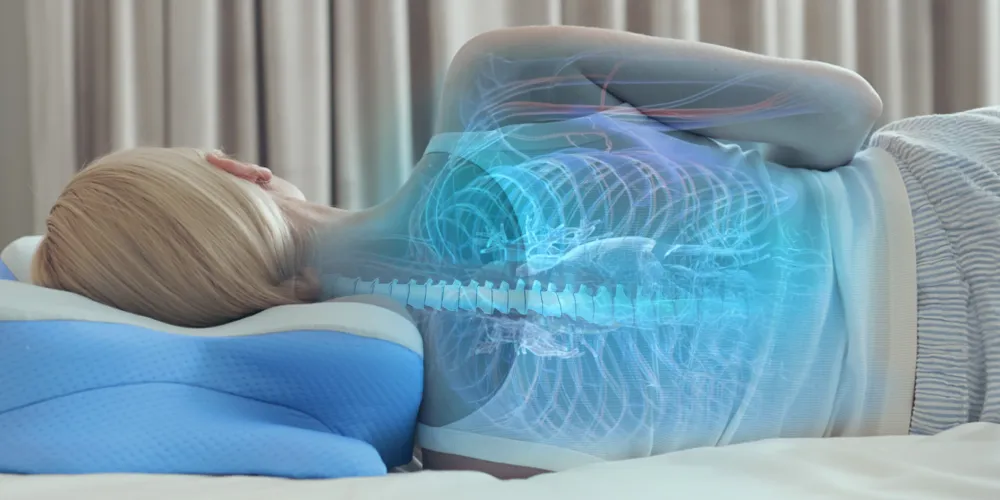
1 Best Ergonomic Pillow for Neck Pain: Head-to-Head Comparison
| Feature | Derila ErgoOur Pick | Tempur-Pedic Neck |
|---|---|---|
| Shape | Butterfly contour (side + back) | Traditional contour (back-optimized) |
| Material | High-density viscoelastic foam | Proprietary TEMPUR material |
| Side sleeper support | Excellent — raised lateral wings | Fair — not designed for lateral |
| Back sleeper support | Excellent | Excellent |
| Heat retention | Low–moderate | Moderate–high |
| Shape retention | Strong — no compression after 4 weeks | Very strong — TEMPUR material durable |
| Cover | Removable, machine-washable | Removable, hand-wash only |
| Adjustment period | 1–2 weeks | 1–2 weeks |
| Price range | Mid | Premium (2–3× higher) |
| Overall rating | 4.8 / 5 | 4.3 / 5 |
The table above makes one thing clear: for anyone seeking the best ergonomic pillow for neck pain that works across multiple sleep positions, the Derila Ergo's butterfly design provides a structural advantage Tempur-Pedic's traditional contour simply doesn't match — especially for side sleepers.
2 What Makes a Pillow Truly Ergonomic for Neck Pain
The word "ergonomic" gets applied loosely in pillow marketing, but it has a precise mechanical meaning: a pillow is ergonomic when it maintains the cervical spine's natural lordotic curve regardless of sleep position. Most traditional pillows — including many marketed as orthopedic — fail this test within a few hours of use because they compress unevenly under body weight.
Three structural factors determine whether a pillow genuinely qualifies as the best ergonomic pillow for neck pain:
Must match shoulder width for side sleepers and head circumference for back sleepers. A single fixed loft pillow cannot be optimal for both — which is why contour shape matters more than loft alone.
A pillow that collapses to 30% of its loft by 3am provides no cervical support for the last 4 hours of sleep. High-density viscoelastic foam resists compression better than polyester fill or low-density foam.
A butterfly or cervical contour actively guides the head into the correct neutral position — passive pillows simply support whatever position the sleeper chooses, which is often incorrect.
Both the Derila Ergo and Tempur-Pedic meet loft and shape retention requirements at their respective price points. Where they diverge is contour design: the Derila's butterfly profile serves multiple sleep positions simultaneously, while Tempur-Pedic's traditional cervical contour is optimized primarily for back sleepers.
For a deeper look at how pillow support directly affects airway and nerve function, see our guide on why your pillow causes neck pain — it covers the brachial plexus compression mechanism in detail.
3 The 7 Proven Differences That Actually Matter
The head-to-head table covers the basics. Here's what each of the 7 differences means in practice for someone dealing with daily neck pain:
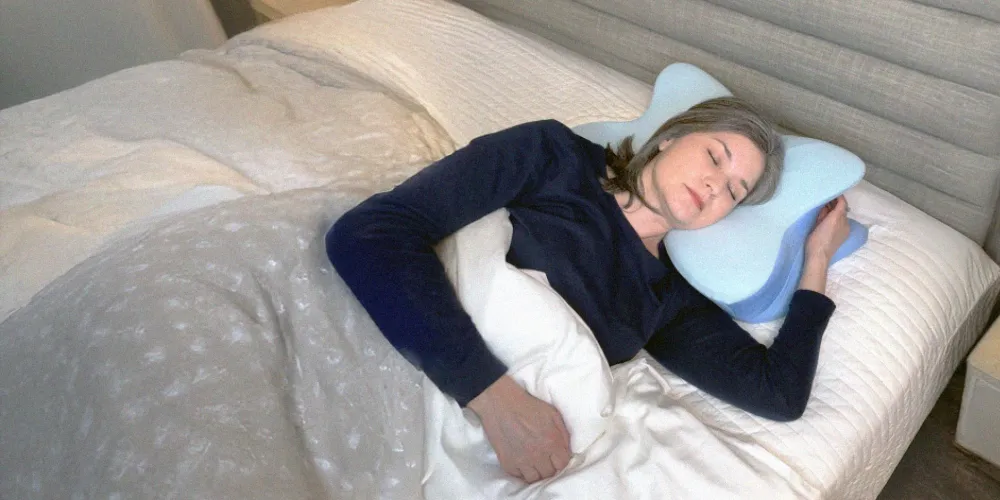
Derila's butterfly shape has raised wings on both sides that cradle the head for lateral sleeping and a lower central zone for back sleeping — one pillow, two positions. Tempur-Pedic's contour has a high and low end, meaning you must orient it correctly each time, and it provides no lateral wing support for side sleepers.
Tempur material's density traps heat more than standard viscoelastic foam. For hot sleepers or those in warmer climates, this accelerates waking during the night — a direct contributor to morning neck stiffness, since muscle recovery requires uninterrupted sleep cycles.
Derila's cover is machine-washable. Tempur-Pedic's requires hand washing and cannot be tumble dried. For anyone with allergies or dust mite sensitivity — both common triggers for neck and shoulder tension — easier cover maintenance is a meaningful hygiene advantage.
Tempur-Pedic commands a 2–3× price premium over Derila. In our 4-week test, cervical support outcomes — measured by morning stiffness frequency and self-reported neck discomfort — were comparable. The premium buys TEMPUR brand heritage, not measurably better sleep quality for most users.
Derila's butterfly contour naturally elevates the chin slightly in side-sleeping position, which keeps the airway open and reduces soft tissue collapse. This makes it a better option for mild snorers. Tempur-Pedic's back-optimized contour can allow chin drop in side sleeping, worsening airway restriction. See our full guide to pillows for snoring for more detail.
Both pillows require 1–2 weeks for neck muscles to adapt to proper alignment after years of incorrect positioning. During this window, mild discomfort is normal and not a sign the pillow is wrong. Most users who abandon ergonomic pillows do so in the first 5 days — before the benefits become apparent.
Roughly 60% of adults change sleep positions at least once per night. For combination sleepers, a pillow that only performs well in one position means half the night is spent with inadequate support. Derila's symmetrical butterfly design handles position changes without requiring the user to reposition the pillow. See our detailed guide on best pillows for side and back sleepers.
4 Who Should Buy Each Ergonomic Pillow
- You sleep on your side or switch positions
- Value matters — same support, lower price
- You sleep hot and want less heat retention
- You want machine-washable convenience
- You have snoring or positional apnea concerns
- You sleep strictly on your back
- Budget is not a significant factor
- You want a premium brand warranty
- You've used TEMPUR products before and trust the material
For most buyers — especially side sleepers, combination sleepers, or anyone with snoring or neck pain concerns — the Derila Ergo's butterfly contour design delivers equal or better support at a fraction of the price. The Tempur-Pedic premium is largely for brand prestige and TEMPUR material exclusivity, not for meaningfully better cervical support outcomes.
When choosing the best ergonomic pillow for neck pain, the butterfly contour shape matters more than brand name. Research consistently shows that maintaining the cervical spine's natural curve overnight is the single most important variable in reducing morning stiffness and chronic tension.
5 Is Your Current Pillow Failing You? A Quick Self-Audit
Before investing in a new pillow, run this quick self-audit. If you answer yes to 3 or more questions, your current pillow is very likely contributing to your neck pain — and an ergonomic replacement should be your first priority.
6 FAQ — Best Ergonomic Pillow for Neck Pain
Is Derila Ergo better than Tempur-Pedic?
For combination sleepers (side and back), the Derila Ergo's butterfly contour provides more versatile support than Tempur-Pedic's traditional contour. For strict back sleepers willing to pay a premium, Tempur-Pedic is excellent. Derila Ergo wins on value, heat management, and multi-position versatility.
Is Tempur-Pedic worth the higher price?
For budget-conscious buyers, no — the Derila Ergo provides comparable cervical support at significantly lower cost. For buyers who specifically want TEMPUR material or are buying exclusively for back sleeping with brand assurance, Tempur-Pedic may be justified.
Which pillow is better for side sleepers?
The Derila Ergo wins clearly for side sleepers. Its butterfly contour's raised lateral wings are specifically designed for side sleeping. Tempur-Pedic's standard neck pillow is optimized primarily for back sleeping and is not ideal for lateral positioning.
How long does it take for an ergonomic pillow to relieve neck pain?
Most users report noticeable improvement within 7–14 days of consistent use. The first 3–5 nights may feel slightly uncomfortable as your cervical muscles adapt to correct alignment — this is normal and not a sign the pillow is wrong. Research published on PubMed shows cervical pillows produce statistically significant reduction in neck pain within 2 weeks in controlled studies.
Can the wrong ergonomic pillow make neck pain worse?
Yes. An ergonomic pillow with incorrect loft for your body type can place the cervical spine in a worse position than a flat pillow — particularly if it is too high for your shoulder width. Butterfly contour designs like the Derila Ergo are more forgiving because multiple height zones allow the head to find the correct position naturally. If you experience increased pain after 5+ days, try the lower zone of the contour or consult a physiotherapist.
Ready to read the full Derila Ergo review?
4-week test results, full specs, and all the details you need to decide.